OPD token system: how a clinic can cut waiting time without new hardware
What an OPD token system is, the three queue problems it solves for small clinics, and a simple way to start with the phones you already have.
By CureMe · · 6 min read
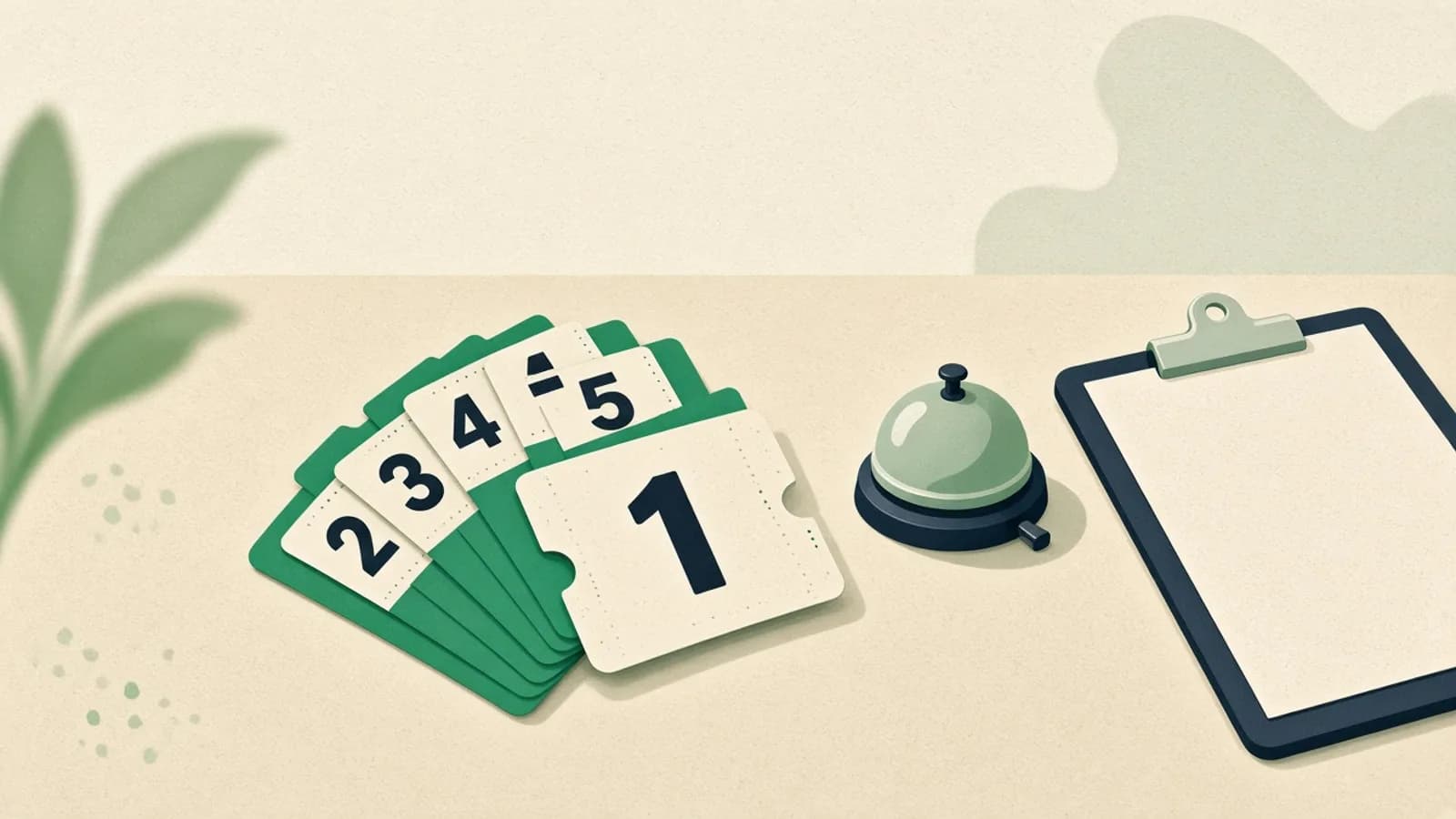
An OPD token system gives every patient a number when they arrive or book, and the clinic calls patients in that order. Most clinics already do this informally with a slip of paper or a name in a notebook. A proper token system does the same thing, but everyone can see the order and nobody has to guess.
The three problems a token system solves
- 01Arguments about who came first. When the order is written down and visible, the front desk no longer has to settle it.
- 02Patients who cannot leave the waiting room. If they cannot tell how far off their turn is, they stay put, which crowds the room.
- 03A doctor who cannot see the day. Without a live list, the doctor does not know how many are waiting or how long the afternoon will be.
Day-wise or shift-wise numbering
Tokens can restart every day, or restart for each sitting. A doctor who sees patients in a morning and an evening shift often prefers numbering per shift, so that evening token 1 is the first evening patient. Whichever you choose, keep it consistent so patients are never unsure what their number means.
Handle walk-ins, bookings and emergencies on one list
Problems start when bookings, walk-ins and urgent cases live on different lists. Keep one queue. Booked patients and walk-ins get a place in it. A genuine emergency can be moved to the front, and the change is visible so the rest of the queue understands why.
Show an estimate, not a promise
An estimated start time is more useful than a vague "please wait". It also needs to move honestly. When the doctor runs long, update the estimate for everyone behind. Patients tolerate a delay far better when the number they were given is kept accurate.
Start with what you already have
- Use phones the front desk already owns, not a new display or kiosk.
- Give every patient their number by message, so they can wait outside or in the car.
- Let the doctor call the next patient from their own screen.
- Review the day at the end: how long visits ran, where the queue backed up.
What to measure
You do not need a dashboard to improve. Track three numbers for a week: the average time from arrival to seeing the doctor, how many patients leave before being seen, and how often the queue order has to be changed. Those tell you where the delay really is.