How to keep your family's health records in one place
A practical way to organise medical records for your whole family: what to keep, how to name things and how to manage appointments for parents and children.
By CureMe · · 5 min read
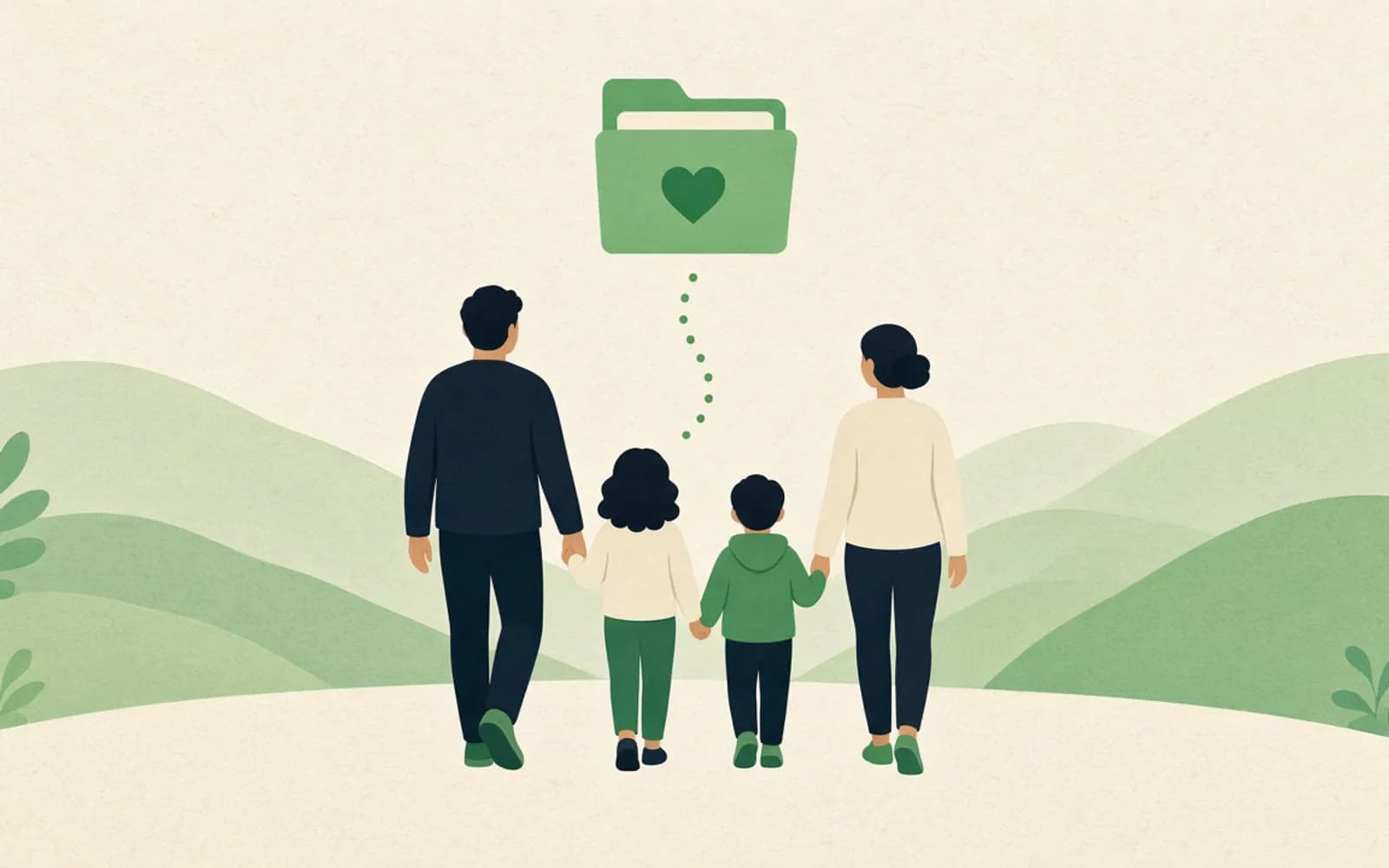
In many households, one person quietly becomes the family health manager. They remember whose vaccination is due, who is allergic to what, and which folder the old reports are in. It works until that person is travelling, or the folder cannot be found. Here is a simple system that does not depend on memory.
Start with one profile per person
Give each family member their own profile, with name, date of birth, blood group if known, allergies and long-term conditions. Children and older parents need this most. Keeping a profile per person stops records from different people blending into one pile.
What is worth keeping
- Prescriptions, especially for long-term medicines
- Lab and scan reports
- Vaccination records, particularly for children
- Discharge summaries after any hospital stay
- Fitness or medical certificates that may be asked for again
- Basic readings you track, such as blood pressure or sugar
Name things so you can find them
Use the same pattern every time: date, person, what it is. For example, 2026-10-22 Asha blood test. Photos named IMG_4021 are very hard to use when you are at a doctor and need one report quickly.
Booking for someone else
Booking for a parent or child is easier when their profile already exists. You choose who the appointment is for, and the visit and its records go to the right person. Make sure the person being treated is the one named on the booking, since that is what the doctor will see.
Keep it current
- 01After every visit, add the prescription and any reports the same day.
- 02Once a year, review the profile: allergies, medicines, conditions.
- 03When a child grows or a parent starts a new medicine, update the list.
Privacy inside the family
Records about adults belong to them. Share an adult relative records only with their agreement, and keep logins private rather than passing one shared password around.